NEW PATIENTS: 15% off your first skincare purchase & $12 unit for your first tox treatment!
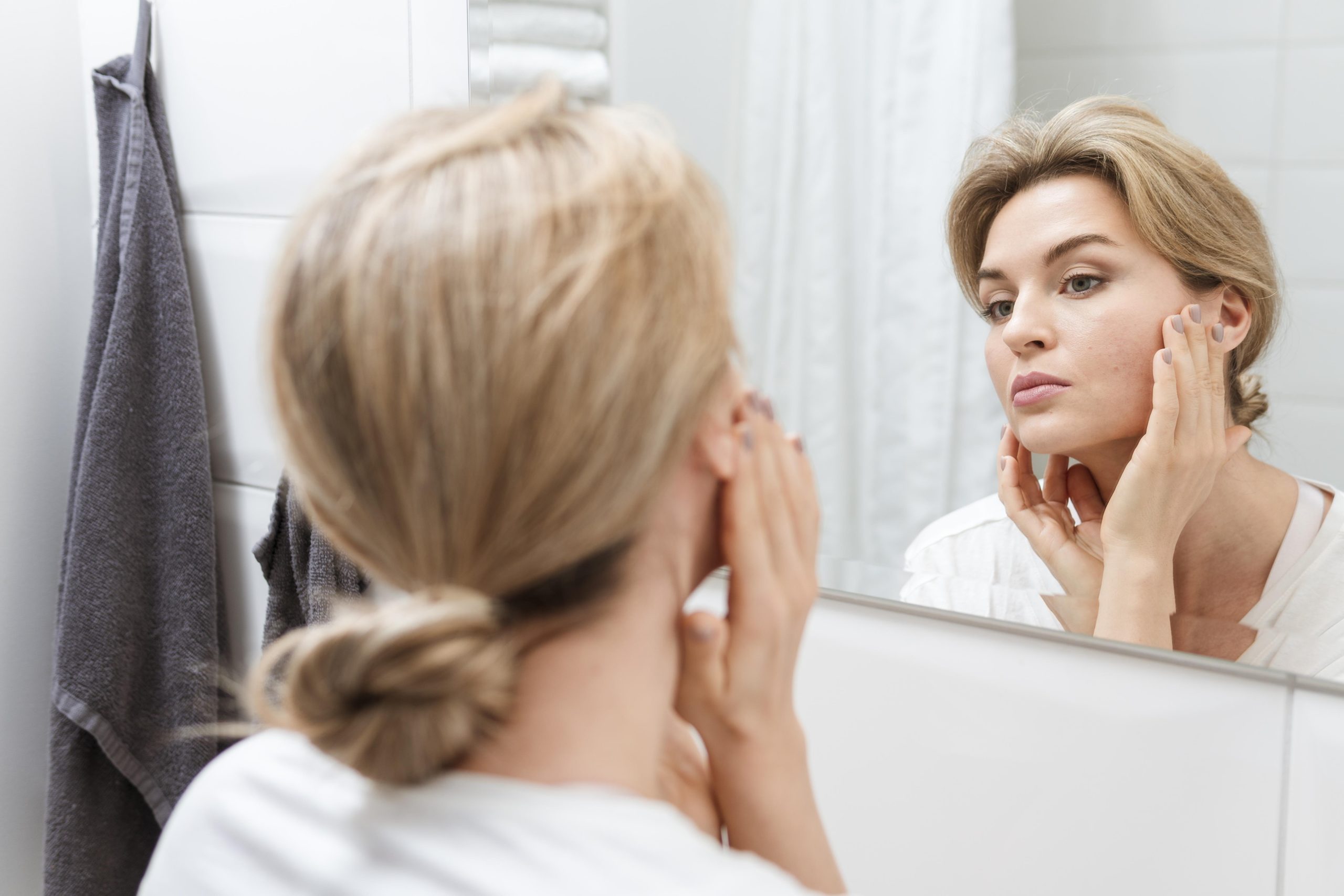
If you’ve ever looked in the mirror after a long week (or caught your face in that unforgiving car sunlight) and thought, “Okay… when did that line get here?” Welcome to the club.
Wrinkle relaxers are popular because they’re simple, quick, and when done right, they don’t make you look like a different person. They just make you look a little more rested, like you finally slept eight hours and drank water on purpose.
But before most people book, they ask one very specific question:
For most people, wrinkle relaxers last about 3 to 4 months. Some people get closer to 3 months, while others stretch it to 5 or even 6 months depending on a few factors like muscle strength, lifestyle, and how your body metabolizes it.
And if you’re wondering why your friend’s results lasted longer than yours, even if you went to the same clinic, that’s also normal.
“Wrinkle relaxers” is the general term for injectables like BOTOX® Cosmetic and Dysport® (and a few other brands). People often say “Botox” as a catch-all, like saying “Google” when you mean “search.”
They work by relaxing the facial muscles that cause expression lines, like when you squint, frown, or raise your eyebrows. Those are called dynamic wrinkles, because they show up from movement.
If you have lines that are already there even when your face is totally relaxed (called static lines), wrinkle relaxers can still help, but you may also need skincare, lasers, or another treatment plan depending on the goal.
Here’s the most realistic version:
Some people start noticing small changes within the first few days.
This is usually when the “oh wow” moment happens, especially around the forehead or frown lines. If you’re doing this for an event, booking two weeks ahead is a smart move.
This is when most people love their results. Makeup goes on smoother. You look less tense. Your “resting stressed face” chills out.
This is when you’ll notice movement slowly coming back. Not all at once, more like your face is “waking up” again.
Official brand info for BOTOX® Cosmetic says results may last up to 4 months.
A few things affect how long wrinkle relaxers hang around:
You don’t need to hide at home. But you do want to avoid a few things that can mess with placement:
That’s it. Simple. The goal is to let everything settle where it’s supposed to.
Most people find they’re fairly similar in how long they last. Some people swear one kicks in faster or looks slightly different, but the best option usually comes down to how your body responds and what your injector recommends based on your face and goals.
If you want to stay consistent and avoid the “it’s gone suddenly” feeling, many people rebook at around 3-4 months.
If you prefer to wait until you really see movement return, that’s fine too, just expect the lines to gradually come back as the muscle activity returns.
At Bellevue Skin and Wellness, the goal is usually refreshed, not overdone, so your plan should look natural, just smoother and softer.
Do wrinkle relaxers hurt?
It’s usually quick pinches. Most appointments are fast.
Will I look frozen?
You shouldn’t. The best results look natural, like you, but less tense.
What areas does it work best for?
Forehead lines, frown lines and crow’s feet are the most common.
How soon before an event should I do it?
Ideally 2 weeks before, so you have time for full results.
Is it safe?
These are prescription treatments and should be done by licensed professionals. Seek medical help right away for rare serious symptoms like difficulty breathing or swallowing.
Disclaimer: This is general educational info, not medical advice. The best next step is a consultation with a licensed provider who can recommend the safest and most natural plan for you.